That quick tooth brushing after breakfast. The nail trim during Saturday cartoons. Checking ears while your cat naps on your lap. These small tasks are health game-changers. Skipping them now means vet bills and heartbreak later.
The Power of Daily Observation
Pets are great at pretending they’re well. Dogs limp to their food, then wag as if fine. Cats suffer quietly. They won’t alert you to problems, so you need to search for clues. Run your hands along your pet’s body every day. Feel for weird bumps. Notice if they flinch somewhere new. Watch them trot across the kitchen. Does that back leg drag a bit? Are they panting after short walks now? Stuff changes so slowly you miss it unless you’re paying attention.
Grooming time doubles as detective time. While you’re brushing, you spot rashes under all that fur. Ear cleaning reveals gunk that signals infection. Even tossing a tennis ball tells you if those joints still work right. Your pet thinks it’s bonding time. Really, you’re doing stealth health checks.
Building Preventive Routines
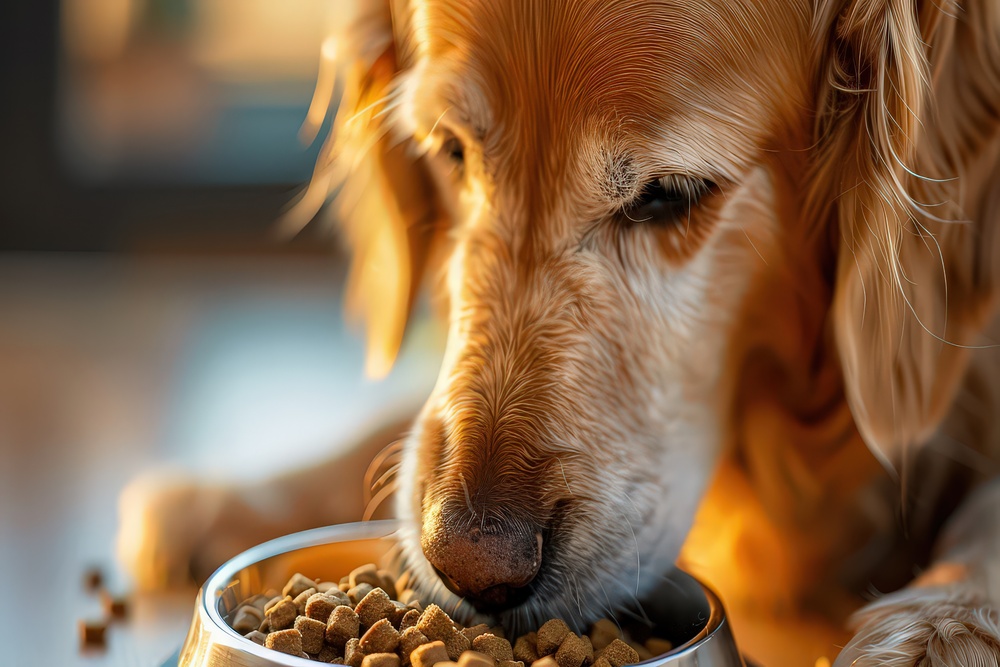
Teeth get ignored until they stink or fall out. Big mistake. Mouth bacteria doesn’t stay put. It travels through blood vessels to kidneys, liver, heart. Nasty infections start in the gums and end up everywhere else. Smart companies recognize this problem. Nextrition makes gut-friendly dog food that tackle bad breath in dogs while supporting mouth health with special treats and supplements that actually work. Way cheaper than yanking rotten teeth later. Brush teeth three times a week. Toss in some dental chews. Your pet keeps their teeth. You keep your money.
Nails grow whether you trim them or not. Too long? Your pet walks funny to compensate. Joints get stressed. Hips hurt. Sometimes nails curl under and pierce paw pads. Ouch. Trim every week or two. Start when they’re babies so they don’t freak out as adults.
Nutrition as Foundation
Garbage food creates garbage health. The bargain bag at the grocery store? Full of corn and mystery meat. Pets eating that junk have itchy skin, runny stomachs, and zero energy. Good food costs more upfront but saves fortune on vet visits. Just switch gradually or their stomachs rebel.
Water’s another thing pets mess up. Cats especially barely drink anything. Then suddenly they get kidney failure at age ten. Dogs get bladder stones. Prevention’s easy, though. Wet food adds moisture. Fountains make water interesting. Whatever tricks them into drinking more.
Fat pets die young. Harsh but true. Those extra pounds crush joints. Hearts pump harder. Diabetes shows up. Buy a measuring cup. Use it. Weigh your pet monthly. Catch weight creep before it becomes weight crisis.
Creating Lasting Habits
Don’t go crazy trying everything tomorrow. Pick one thing. Nail it for two weeks. Then add something else. Rush the process and you’ll quit everything by Thursday. Timing matters. Some dogs handle grooming better before breakfast when they’re hungry and cooperative. Cats might prefer evening sessions when they’re sleepy. Test different schedules. Find what sticks. Bribery works. Peanut butter during nail trims. Salmon treats after tooth brushing. They start connecting grooming with good stuff happening. They’ll eventually remind you about maintenance.
Conclusion
Fancy gadgets and grooming aren’t key to pet care. A few minutes here and there. Check their teeth while watching TV. Trim nails during commercial breaks. Feel for lumps during belly rubs. These tiny efforts stack up into massive health benefits. Pets who get this attention live years longer. They hurt less. They stay playful when others their age can barely move. Plus all that handling strengthens your connection. Small actions today equal huge rewards tomorrow.