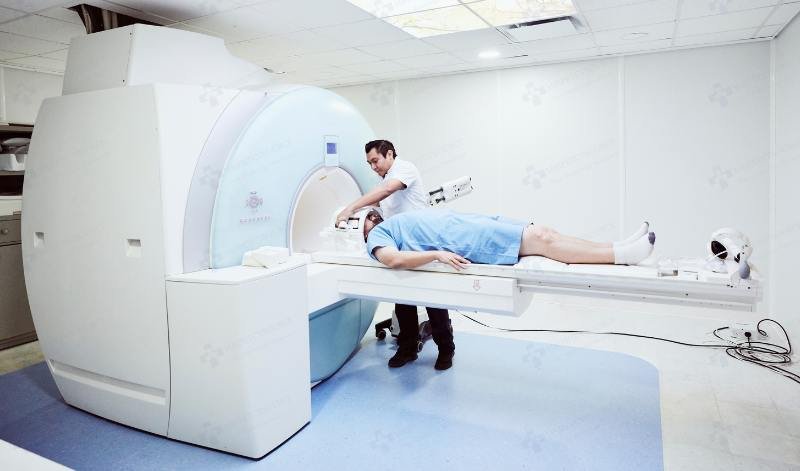
In today’s highly advanced healthcare environment, technological innovations play a crucial role in diagnosing and treating medical conditions. Among the most sophisticated diagnostic tools available is Magnetic Resonance Imaging (MRI), a technology that provides detailed images of internal body structures and assists physicians in making accurate diagnoses. As per Kasey McKillip despite the remarkable capabilities of MRI systems, their effectiveness depends not only on the technology itself but also on the professionalism of the healthcare professionals who operate and manage these imaging services.
Kasey McKillip Briefly Sheds Light on the Importance of Professionalism in MRI Services
Within the American healthcare system, professionalism in diagnostic imaging extends beyond ethical responsibility. Rather, it serves as a fundamental component of patient safety, diagnostic accuracy, quality healthcare delivery, and operational efficiency.
One of the most important aspects of professionalism in MRI practice is maintaining an unwavering dedication to patient safety. Unlike conventional imaging modalities such as X-rays or Computed Tomography (CT) scans, MRI technology does not use ionizing radiation. Instead, it utilizes powerful magnetic fields, radio-frequency energy, and magnetic gradients to generate highly detailed images. Although MRI environments may appear harmless to patients and visitors, they present unique safety challenges that require constant vigilance from healthcare professionals.
Professional MRI technologists, radiologists, and support staff understand that MRI magnets remain active at all times. This awareness necessitates strict compliance with safety procedures and screening protocols. Healthcare professionals must carefully assess patients for the presence of medical devices, implants, or metallic foreign objects that may pose significant risks during scanning. Items such as pacemakers, cochlear implants, aneurysm clips, and certain metallic fragments can become dangerous in the magnetic field if not properly evaluated.
Professional conduct requires thorough patient screening, careful documentation, and adherence to established guidelines developed by key organizations. In the opinion of Kasey McKillip, competent MRI personnel consistently verify implant compatibility, monitor access to restricted MRI zones, and implement safety measures designed to prevent accidents. Their diligence helps eliminate hazards that could otherwise result in severe injuries or equipment damage. Through careful attention to safety protocols, imaging professionals create an environment where patients can undergo examinations with confidence and minimal risk.
Professionalism in MRI extends beyond technical capabilities and includes the ability to communicate effectively with patients. The patient experience has become a major focus within modern healthcare, and imaging professionals play a significant role in shaping that experience.
Many patients experience anxiety before and during MRI examinations. The confined space of the scanner, combined with loud mechanical sounds and lengthy scan duration, can create feelings of discomfort, claustrophobia, or fear. Without appropriate support, these emotions may interfere with the examination process, leading to excessive movement, image degradation, or incomplete scans.
Professional MRI personnel tend to recognize the importance of addressing patient concerns through empathy, patience, and clear communication. Hence, before the examination begins, they usually take time to explain the procedure, describe what the patient can expect, and answer any questions. By providing accurate information and reassurance to the patients, they help reduce uncertainty and build trust. This not only enhances patient satisfaction but also improves image quality and reduces the need for repeat scans or sedation. Professional communication therefore serves as a critical factor in achieving successful diagnostic outcomes.